
About Us

Welcome To 757LASHES LLC
Give your eyes a Celebrity appearance with 757 Lashes LLC The secret is out! Ordinary people have cracked the code. We have all wondered at one point or another, how do celebrities manage to always look glamorous? It’s Eyelash Extensions & Permanent makeup! The hottest trend for getting that celebrity appearance and staying on top of fashion trends is eyelash extensions & Permanent Makeup. Eyelash extensions & Permanent Makeup gives you that glamorous celebrity look. Say goodbye to applying and removing the layers and layers of makeup and mascara. Eyelash extensions & Permanent Makeup may be your answer to achieving that movie star look around the clock.
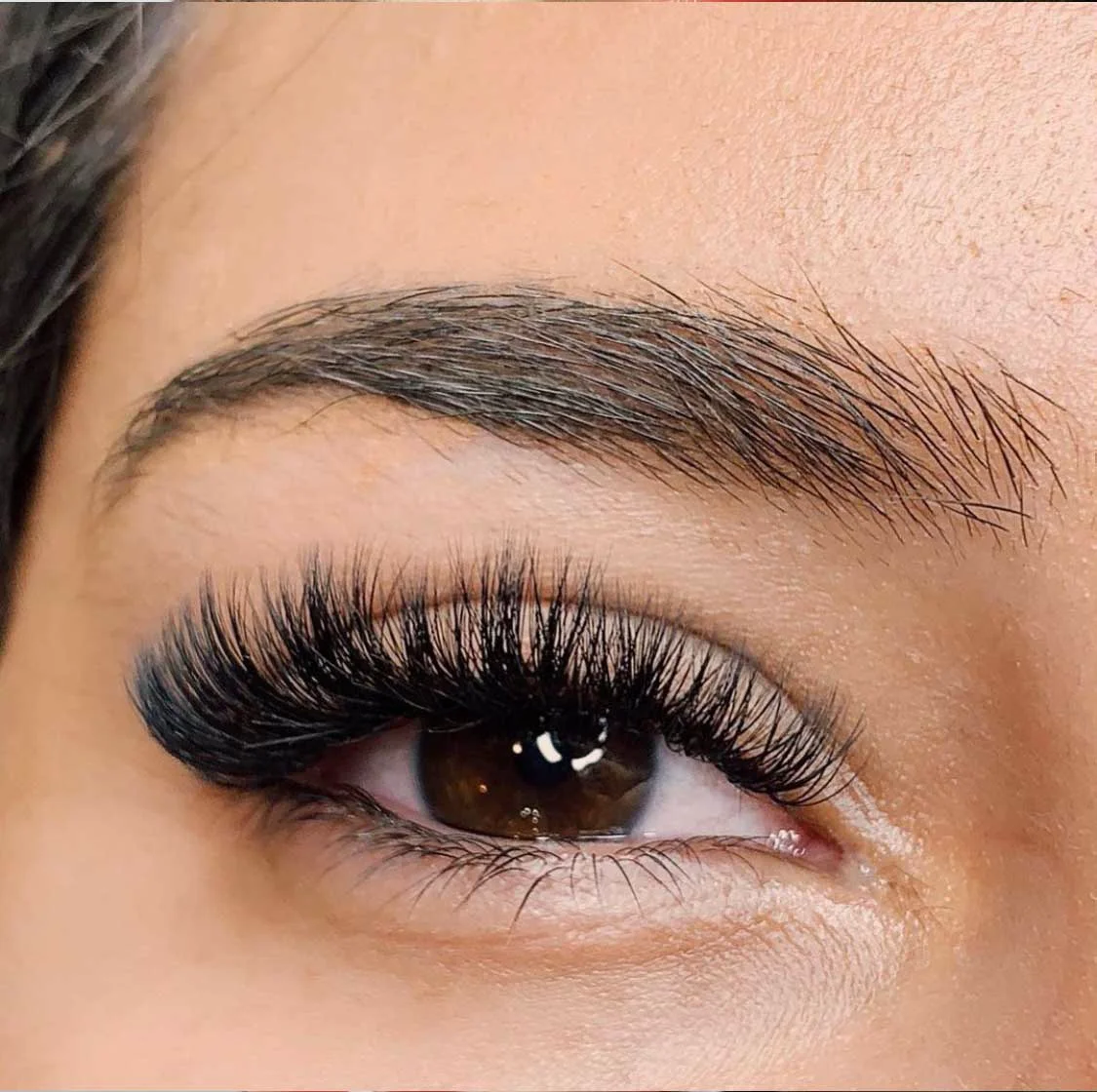
Eyelash extensions will enhance your natural lashes with more length, volume, and lift. While Permanent Makeup helps you look more youthful and fresh. Permanent makeup will make getting ready a breeze and save you time and money with applying and removing makeup. Get the look of your dreams today, whether that look is a more natural or even dramatic look, we have the expertise to deliver.
About Us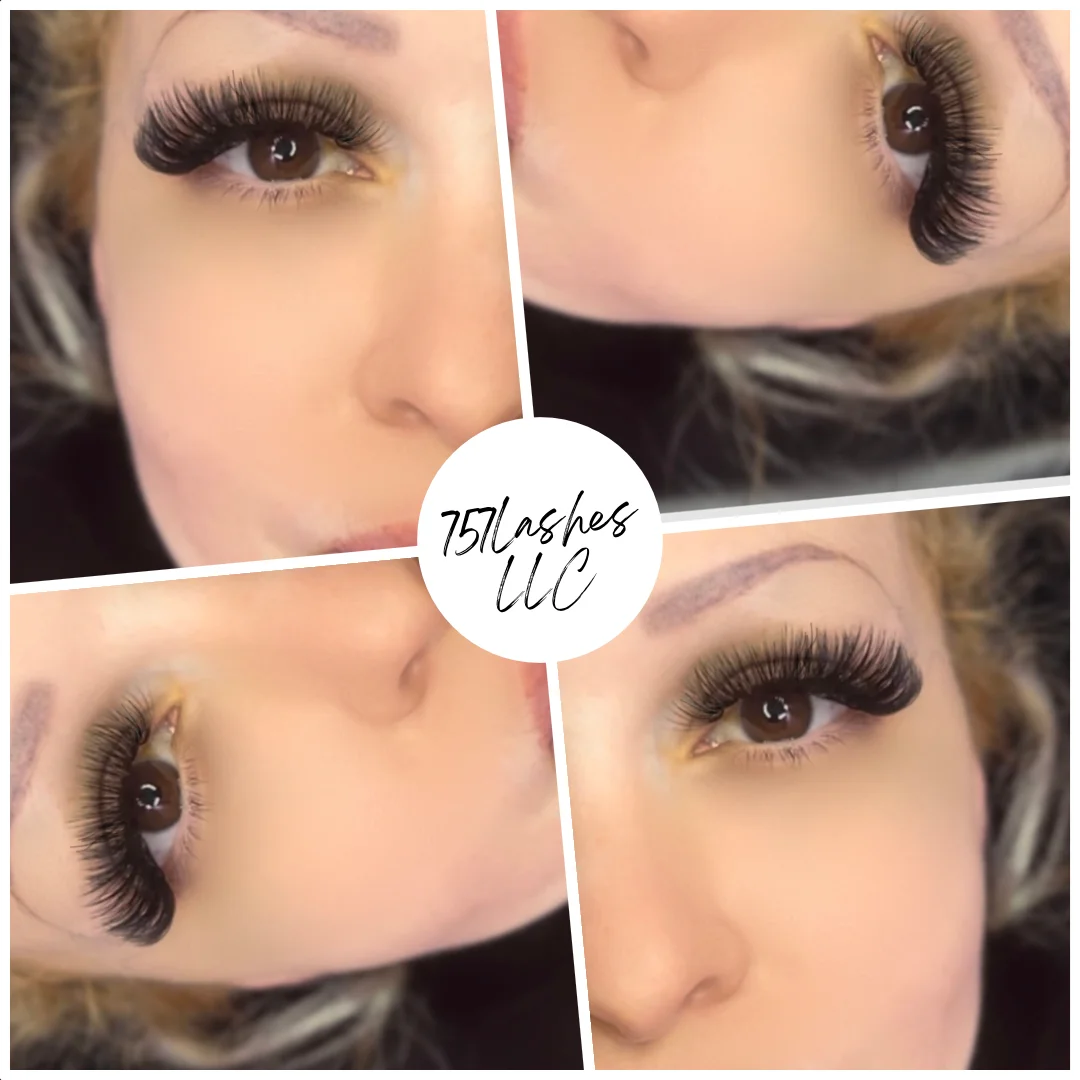
757LASHES LLC
Your Premier Beauty Services Provider in Hampton, VA
Our Services
We offer a range of expert beauty services designed to enhance your natural features with precision, care, and long-lasting results.




Book Your Appointment Today!
One of our experts will get back to you soon and answer any questions you may have.
Customer Testimonials
Hear from our satisfied customers about their experiences with our services. We value their feedback and continuously strive to deliver excellence and build lasting relationships.

<p>Absolutely loved my lashes! She was professional, gentle, and really took her time to make sure everything was perfect. My lashes came out full, clean, and exactly what I wanted. The space was super comfortable and relaxing.</p>
I love my lashes! This was my second time going to Cam as I don't get my lashes done often, just for special occasions. She did them exactly how I wanted. Very natural-looking but definitely adds a pop! She is very attentive.
I had my lash extensions done by Cam and she did such an amazing job! She was super friendly and made me feel really comfortable throughout the whole process. The atmosphere of the place was so relaxing and welcoming.
Cam did such an amazing job with my lashes! She was thorough in making sure they were perfect before I left. She was professional and yhe environment was relaxing ❤️ She will be my lashlady moving forward
The retention is phenomenal. They look so full and fluffy and I'm so impressed with how natural they look. I have sparse, thin lashes and they are not the easiest to work with so not everyone can make them look so voluminous.
Frequently Asked Questions
Hear from our satisfied customers about their experiences with our services. We value their feedback and continuously strive to deliver excellence and build lasting relationships.
On the skin: about 5 to 10 days, depending on your skin type and how often you wash or exfoliate the area.
On the brow hairs: around 4 to 6 weeks, since it stains the hair more deeply.
It tends to last longer on dry or normal skin, and a bit shorter on oily skin or if you use lots of skincare products (like exfoliants or oils) near your brows.
Eyebrow tinting is a semi-permanent dye treatment used to enhance, shape, and define your brows by darkening the hairs (and sometimes the skin underneath). It helps give the illusion of fuller, more structured brows—especially great if your natural brows are light or sparse.
Brow tinting comes with a bunch of benefits, especially if you want your brows to look more defined with less daily effort. Here’s what it can do for you: 1. Fuller, more defined brows • The tint darkens all the tiny, fine hairs—including the light or hard-to-see ones—making your brows look naturally thicker. 2. Saves time in your routine • No more daily filling in with pencils or powders—your brows are ready to go when you wake up. 3. Customizable shades • The tint can be matched to your hair color or made a bit darker for a bolder look. Totally adjustable. 4. Long-lasting results • The tint lasts 3–6 weeks on the hair, so it’s a solid low-maintenance option. 5. Non-invasive and quick • The whole process takes about 15–30 minutes, and it’s painless. No needles, no downtime. 6. Great for light or gray brows • Tinting brings back definition to brows that have gone lighter with age or sun exposure
What to Expect During a Brow Tinting Appointment
-
Consultation
- Your brow technician will discuss your desired look—whether you prefer a natural or bold style.
- They’ll help choose a color that complements your skin tone and hair color.
- You’ll be asked about any previous reactions to dyes or sensitive skin concerns.
-
Brow Preparation
- The brow area is thoroughly cleansed to remove makeup, oils, and dirt.
- Depending on the salon, brows may be shaped first using tweezing or waxing, or shaped after tinting.
-
Tint Selection
- A brow-specific dye is carefully mixed.
- The shade is chosen to match or enhance your natural brow hair and skin tone.
-
Application
- The tint is precisely applied to the brow hairs.
- In some cases, it is applied slightly outside the natural brow line to capture fine hairs.
- The tint is left on for approximately 5–15 minutes, depending on the desired depth of color.
Lorem ipsum dolor consectetur adipiscing Fusce varius euismod lacus eget feugiat rorem lorem ipsum dolor sit amet, consectetuer adipiscing elit. Aenean commodo ligula eget dolor massa sociis natoque penatibus. ipsum dolor consectetur Fusce varius Fusce varius euismod lacus eget feugiat rorem ipsum dolor consectetur Fusce varius...
Lorem ipsum dolor consectetur adipiscing Fusce varius euismod lacus eget feugiat rorem lorem ipsum dolor sit amet, consectetuer adipiscing elit. Aenean commodo ligula eget dolor massa sociis natoque penatibus. ipsum dolor consectetur Fusce varius Fusce varius euismod lacus eget feugiat rorem ipsum dolor consectetur Fusce varius...
Lorem ipsum dolor consectetur adipiscing Fusce varius euismod lacus eget feugiat rorem lorem ipsum dolor sit amet, consectetuer adipiscing elit. Aenean commodo ligula eget dolor massa sociis natoque penatibus. ipsum dolor consectetur Fusce varius Fusce varius euismod lacus eget feugiat rorem ipsum dolor consectetur Fusce varius...
Lorem ipsum dolor consectetur adipiscing Fusce varius euismod lacus eget feugiat rorem lorem ipsum dolor sit amet, consectetuer adipiscing elit. Aenean commodo ligula eget dolor massa sociis natoque penatibus. ipsum dolor consectetur Fusce varius Fusce varius euismod lacus eget feugiat rorem ipsum dolor consectetur Fusce varius...
Lorem ipsum dolor consectetur adipiscing Fusce varius euismod lacus eget feugiat rorem lorem ipsum dolor sit amet, consectetuer adipiscing elit. Aenean commodo ligula eget dolor massa sociis natoque penatibus. ipsum dolor consectetur Fusce varius Fusce varius euismod lacus eget feugiat rorem ipsum dolor consectetur Fusce varius...
Lorem ipsum dolor consectetur adipiscing Fusce varius euismod lacus eget feugiat rorem lorem ipsum dolor sit amet, consectetuer adipiscing elit. Aenean commodo ligula eget dolor massa sociis natoque penatibus. ipsum dolor consectetur Fusce varius Fusce varius euismod lacus eget feugiat rorem ipsum dolor consectetur Fusce varius...
Lorem ipsum dolor consectetur adipiscing Fusce varius euismod lacus eget feugiat rorem lorem ipsum dolor sit amet, consectetuer adipiscing elit. Aenean commodo ligula eget dolor massa sociis natoque penatibus. ipsum dolor consectetur Fusce varius Fusce varius euismod lacus eget feugiat rorem ipsum dolor consectetur Fusce varius...
Lorem ipsum dolor consectetur adipiscing Fusce varius euismod lacus eget feugiat rorem lorem ipsum dolor sit amet, consectetuer adipiscing elit. Aenean commodo ligula eget dolor massa sociis natoque penatibus. ipsum dolor consectetur Fusce varius Fusce varius euismod lacus eget feugiat rorem ipsum dolor consectetur Fusce varius...
Lorem ipsum dolor consectetur adipiscing Fusce varius euismod lacus eget feugiat rorem lorem ipsum dolor sit amet, consectetuer adipiscing elit. Aenean commodo ligula eget dolor massa sociis natoque penatibus. ipsum dolor consectetur Fusce varius Fusce varius euismod lacus eget feugiat rorem ipsum dolor consectetur Fusce varius...
Lorem ipsum dolor consectetur adipiscing Fusce varius euismod lacus eget feugiat rorem lorem ipsum dolor sit amet, consectetuer adipiscing elit. Aenean commodo ligula eget dolor massa sociis natoque penatibus. ipsum dolor consectetur Fusce varius Fusce varius euismod lacus eget feugiat rorem ipsum dolor consectetur Fusce varius...
Lorem ipsum dolor consectetur adipiscing Fusce varius euismod lacus eget feugiat rorem lorem ipsum dolor sit amet, consectetuer adipiscing elit. Aenean commodo ligula eget dolor massa sociis natoque penatibus. ipsum dolor consectetur Fusce varius Fusce varius euismod lacus eget feugiat rorem ipsum dolor consectetur Fusce varius...
Lorem ipsum dolor consectetur adipiscing Fusce varius euismod lacus eget feugiat rorem lorem ipsum dolor sit amet, consectetuer adipiscing elit. Aenean commodo ligula eget dolor massa sociis natoque penatibus. ipsum dolor consectetur Fusce varius Fusce varius euismod lacus eget feugiat rorem ipsum dolor consectetur Fusce varius...
Latest Blog Post
Stay updated with our latest beauty tips, trends, and expert advice from 757Lashes.
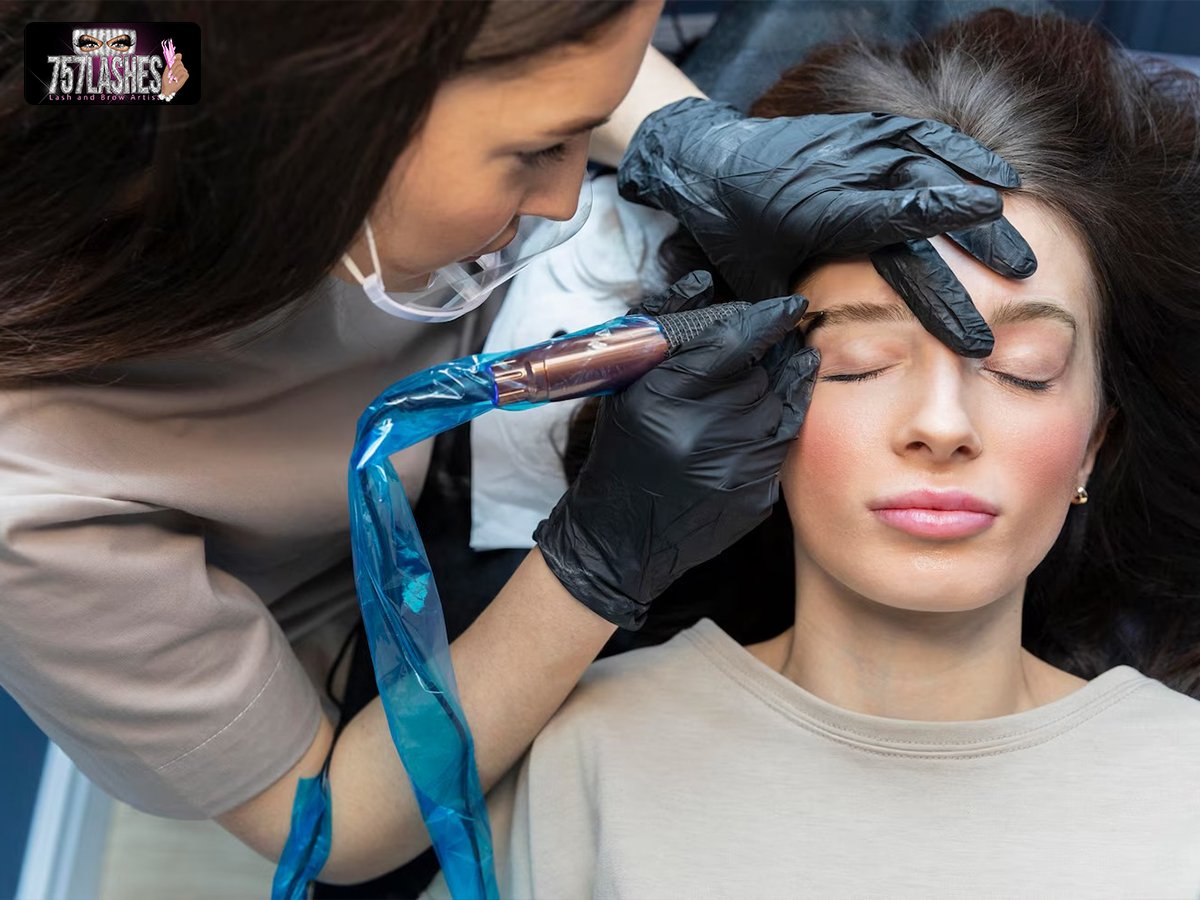
How Does Microblading Services Enhance Facial Balance?
Facial balance depends on small structural details that influence overall appearance. Eyebrows, in particular, play a powerful role in shaping facial symmetry, framing the eyes, and defining...
Read more
What Should You Know Before Permanent Eyeliner?
Permanent makeup decisions tend to linger in your thoughts longer than most beauty choices. Th...
Read more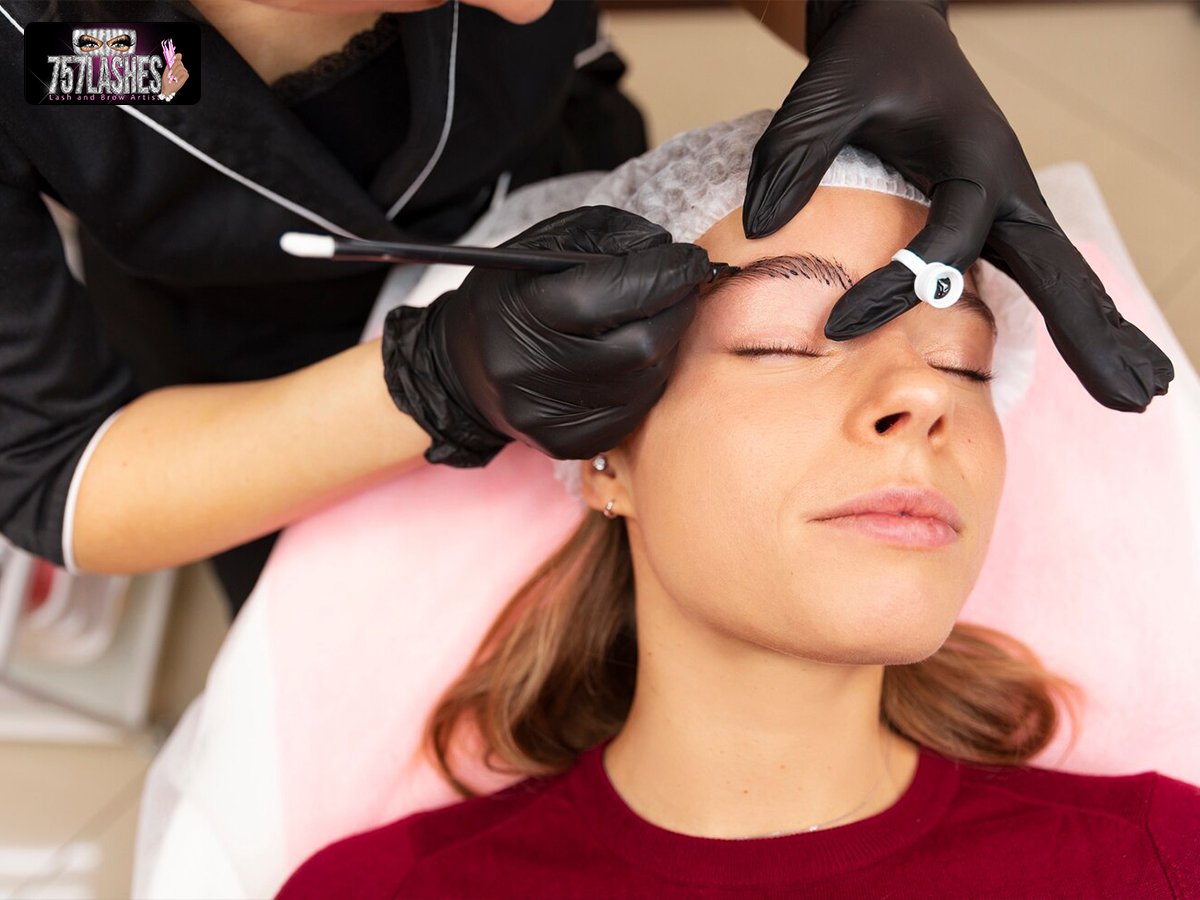
Does Permanent Makeup Hurt? Honest Answers on Numbing and Sensation
Hey! You’re already lying back in the chair when it hits you. The room is quiet. The lights feel bri...
Read more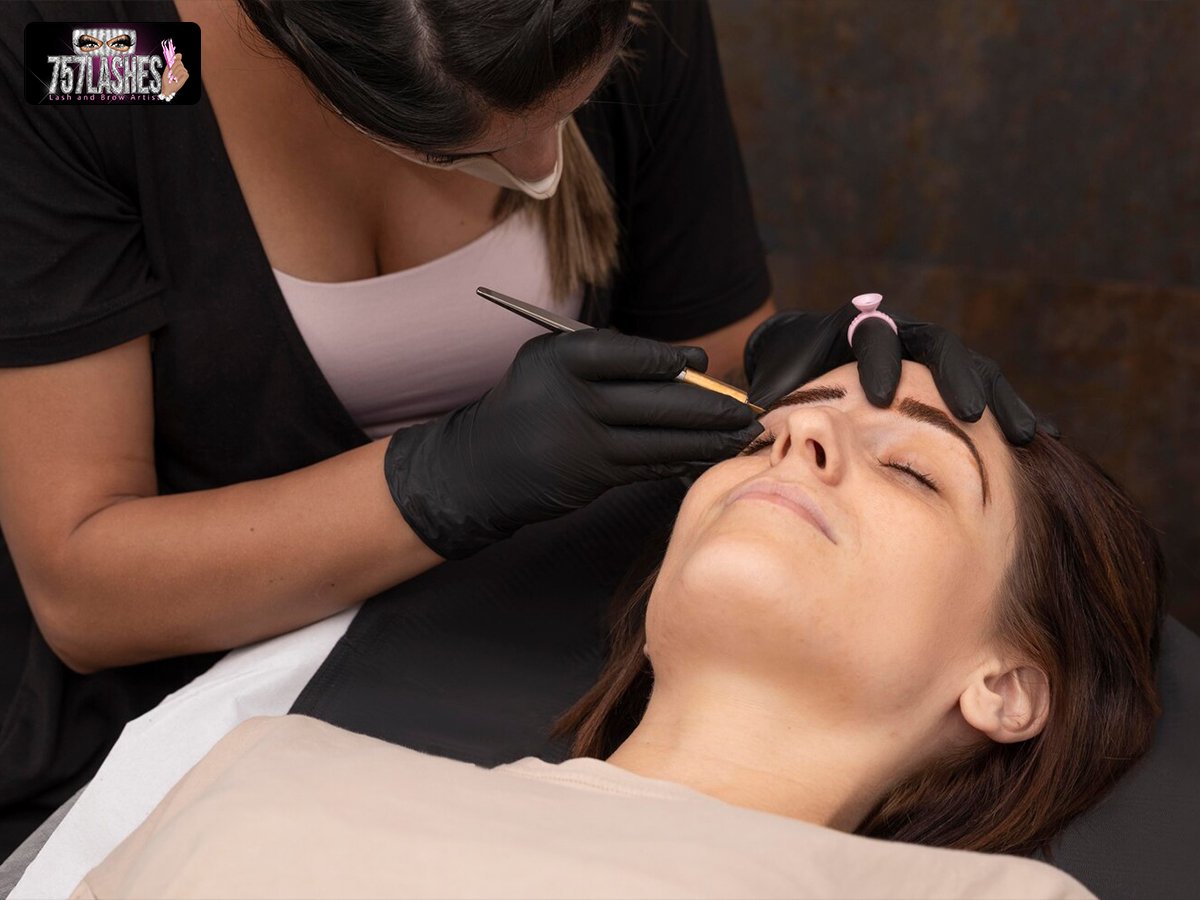
Benefits You Can Enjoy With Permanent Cosmetics in Hampton
Beauty routines are changing fast, and modern solutions are now built for long-term ease. People wan...
Read more